
Provo Mold Remediation
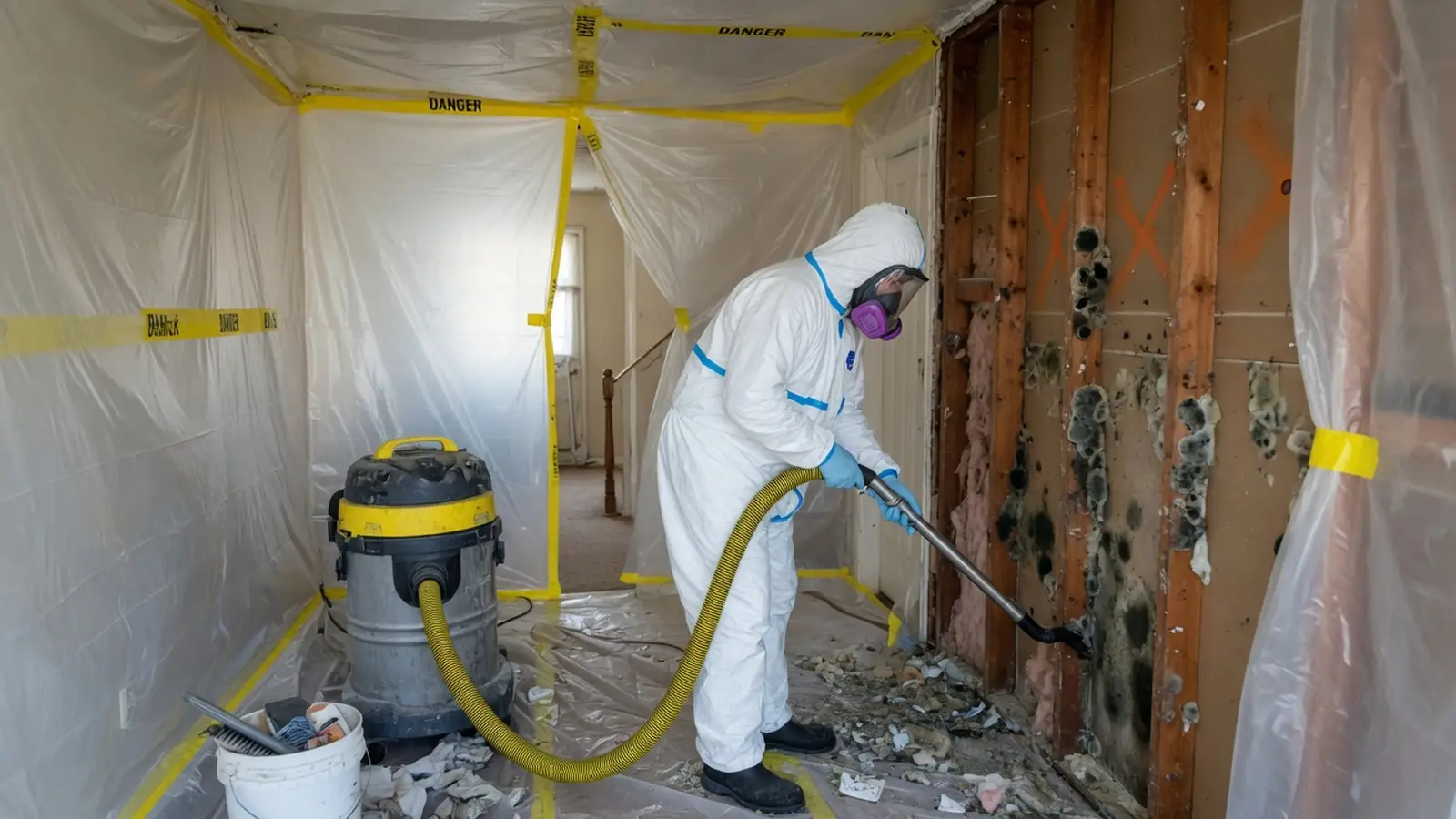
Persistent moisture intrusion causes active mold growth across interior walls, creating a need for professional containment and remediation protocols. Our technicians establish negative air pressure zones to isolate spores, sanitize structural framing, and restore healthy living conditions. We work quickly across Utah Valley to protect your home from ongoing fungal damage.
Call (801) 555-0144 for a roof that's open right now.
Precision Containment And Structural Drying
Our certified technicians resolve indoor dampness issues throughout residential neighborhoods near Rock Canyon and Carterville.
A pattern echoed in public discussions is that hidden black mold colonizes drywall cavities after a concealed pipe leak, requiring professional containment rather than mere surface spraying.
We isolate affected areas with heavy negative air containment zones to prevent spores from circulating into living spaces.
Every structural stud undergoes thorough antimicrobial sanitization before any reconstruction takes place.
Property owners can explore our full scope of services by relying on comprehensive residential water restoration to protect structural integrity.
Our crew maintains tidy containment borders and performs rigorous daily HEPA cleanups to safeguard your home environment.
How We Safely Eliminate Mold Colonies
Homeowners frequently wonder: will spraying surface mold with bleach solve the problem, or does active fungal growth require cutting out contaminated wallboard and framing sanitization? Our systematic workflow follows certified protocols to ensure spores are thoroughly eliminated.
- Containment And Rapid Extraction. As reflected in regional community discussions, tenants and homeowners face urgent basement flooding requiring rapid water extraction and emergency remediation to restore living conditions. When water backs up or seeps into foundation footings, we initiate emergency mitigation for sudden basement flooding using heavy-duty extraction and immediate air containment.
- Targeted Demolition And HEPA Cleaning. Category 2 and 3 basement water intrusions require cutting out the bottom two to four feet of drywall along with all saturated cavity insulation. When severe winter conditions hit the foothill benches, preventing structural leaks from frozen pipes requires immediate wallboard excision and antimicrobial treatment.
- Desiccant And Heat-Assisted Dehumidification. Because basement temperatures below 60°F fall outside the effective range of standard LGR dehumidifiers, requiring desiccant units or supplemental heat, our team calibrates specialized drying systems tailored to chilly below-grade spaces.
- Moisture Meter Clearance And Anti-Microbial Seal. Basement framing and concrete must be verified completely dry with moisture meters, not just dry to the touch, before reinstalling drywall. We record structural moisture content across all structural studs to guarantee zero lingering dampness.
Science-Backed Remediation Standards
Our workmanship standard centers on absolute containment and verifiable moisture removal before any rebuild begins. We never cut corners with surface cover-ups or untested chemical sprays. Technicians isolate work areas with heavy polyethylene sheeting and operate commercial negative air filtration until particulate counts normalize. Every substrate is treated with hospital-grade antimicrobial solutions to neutralize fungal growth at the root level. All structural framing must pass comprehensive pin-meter moisture testing before we declare a space cleared for refinishing.
Wall Cavity Remediation
When plumbing leaks saturate interior walls, we establish negative air containment to prevent spores from entering adjacent living areas. Technicians systematically remove damaged gypsum board and apply EPA-registered antimicrobial solutions directly to exposed stud framing. We ensure every trace of active fungal colonization is neutralized before drying begins.
Saturated Flooring Extraction
Saturated carpet padding cannot be dried in place and must be pulled and discarded during water damage extraction to protect the subfloor. We lift floor coverings, sanitize underlying concrete or wood, and deploy high-velocity air movers. This prevents moisture from migrating up interior walls and sparking secondary microbial growth.
Moisture-Resistant Rebuild Advisory
Finishing basements after flooding should prioritize paperless drywall, foam insulation, and vinyl plank flooring over standard materials. We consult with homeowners to select moisture-resistant assemblies that eliminate cellulose food sources for fungi. These choices provide durable long-term resilience against seasonal humidity and ground seepage.
Dedicated Property Restoration Standards
We approach every remediation project with strict containment controls, calibrated commercial equipment, and continuous moisture tracking. Customers can count on clean work zones, honest communication, and thorough structural verification from the first inspection through the final clearance reading.
- 10Zip Codes Served
- 5Service Areas
- 3Services Offered
Local homeowners rely on our crew when moisture problems compromise their indoor air and living spaces. Here is what real property owners say about our containment standards, cleanliness, and communication.
“When moisture started creeping behind our downstairs baseboards late on a Saturday evening, the crew answered our call within minutes. They arrived with containment plastic and HEPA scrubbers before midnight to seal off the affected bedroom. Having someone take control of the situation so fast prevented spores from drifting through our entire HVAC system.”
Marcus T.
“Every evening before heading out, the team vacuumed every walkway with HEPA filters and hauled contaminated sheetrock straight out to their trailer. They kept the negative air machines running quietly while keeping our living spaces completely sealed off from dust. Our family never had to navigate piles of debris or messy staging areas during the four days of remediation.”
Sarah K.
“I received timestamped moisture readings and photo updates on my phone every single morning without ever having to ask. The crew documented the framing drying progress behind the cutouts and clearly explained each stage before moving forward. Their transparency gave us complete confidence that hidden dampness was being resolved the right way.”
Brent H.
“Instead of simply reinstalling standard drywall after the sanitization, they explained why using paperless board and closed-cell foam prevents future mold growth. That adjustment made so much sense for our below-grade space and gave us durable peace of mind. Their practical advice saved us from facing the exact same repair in a couple of years.”
Elena R.
Frequently Asked Questions
Will spraying surface mold with bleach solve the problem?
Bleach only treats surface discoloration on non-porous materials and fails to eliminate active fungal roots embedded deep inside wall cavities. Eliminating active fungal growth requires cutting out contaminated wallboard and framing sanitization under physical containment barriers.
Can saturated carpet padding be dried in place after water damage?
Saturated carpet padding cannot be dried in place and must be pulled and discarded during water damage extraction to prevent mildew growth. The porous foam acts as a sponge that harbors microbial colonies, so disposal is necessary before subfloor drying can proceed safely.
How much drywall must be cut away after a basement water intrusion?
Category 2 and 3 basement water intrusions require cutting out the bottom two to four feet of drywall along with all saturated cavity insulation. Floodwater wicks upward through gypsum, making flush flood cuts essential to expose the framing for antimicrobial wash and thorough drying.
Why are standard dehumidifiers sometimes ineffective in cold basements?
Basement temperatures below 60°F fall outside the effective range of standard LGR dehumidifiers, requiring desiccant units or supplemental heat. Low ambient temperatures prevent refrigerant coils from condensing vapor properly, making heated airflow or desiccant wheels essential for winter drying.
How do technicians verify that structural framing is dry enough to rebuild?
Basement framing and concrete must be verified completely dry with moisture meters, not just dry to the touch, before reinstalling drywall. Specialized pin and non-invasive sensors ensure core moisture levels sit below safe thresholds to prevent trapping fungal growth behind new boards.